

Jun 23, 2026
Retention matters: will my teeth move back if I forget my retainer?
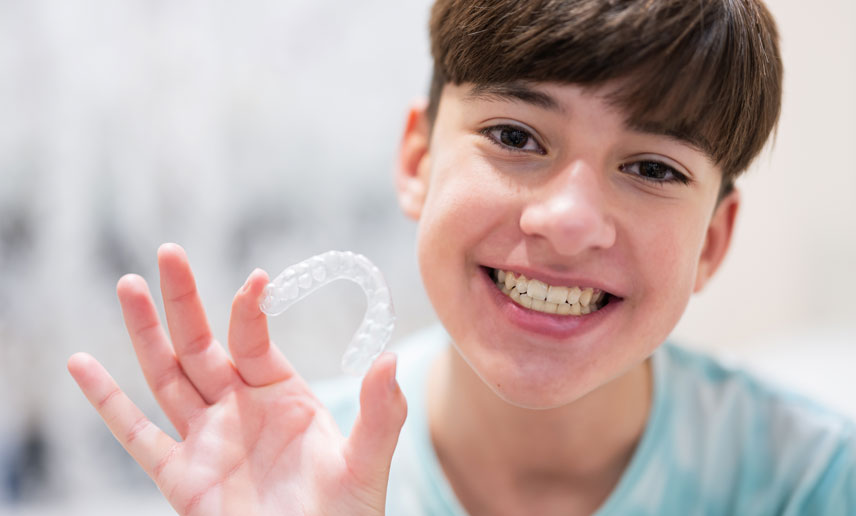
You have finished treatment - what happens next?
You have completed braces or Invisalign® treatment, your smile looks great, and life gets busy again. Then you miss a night or two with your retainer and start to wonder what it means.
Short answer: teeth can move after orthodontic treatment, especially if retainers are not worn consistently. The good news is that early changes are often manageable if you act quickly.
Why Retention Matters After Braces or Invisalign®
Once active treatment finishes, your teeth are still settling. The bone and fibres around them need time to stabilise in their new positions.
Key points:
- Teeth are held in place by elastic fibres that have memory
- These fibres can slowly pull teeth back towards their original position
- Everyday forces like chewing and speaking also influence movement
- The highest risk period is the first 6 to 12 months after treatment
Retainers protect your result while everything stabilises long term.
Will My Teeth Move Back If I Forget My Retainer?
Yes, some movement can happen, but the extent depends on timing and how long you have missed wear.
Typical scenarios:
- Missed 1 to 2 nights: Mild tightness when you put your retainer back in
- Missed several days: Noticeable tightness, but often still recoverable
- Missed weeks: Possible movement where the retainer may not fit fully
If your retainer still fits after gentle pressure, resume nightly wear immediately. If it does not fit comfortably, do not force it and contact us as soon as possible.
What to Do If You Forget Your Retainer
If Your Retainer Feels Slightly Tight
- Wear it again that night
- Return to your normal nightly routine
- Expect mild pressure that settles quickly
If Your Retainer Does Not Fit
- Stop trying to force it in
- Contact your Specialist Orthodontist promptly
- We will assess whether teeth have shifted
If Your Retainer Is Lost or Broken
- Let us know immediately
- Because we store your 3D digital scans, we can usually replace it quickly
- Bring any old retainers to your appointment if available
How Often Should You Wear Your Retainer?
Retention plans vary, but most patients follow this structure:
- Initial phase: Full-time wear as instructed after treatment
- Long-term phase: Nightly wear for ongoing stability
If you have a fixed bonded retainer, it works continuously. However, many patients are also advised to wear a removable retainer at night for extra protection.
Signs Your Teeth May Be Moving
Look out for:
- Retainer feeling tighter than usual
- Slight changes in how teeth meet
- Difficulty fitting the retainer fully
- Small shifts in alignment when looking closely
Early detection makes correction simpler.
How to Prevent Forgetting Your Retainer
Simple habits help protect your smile:
- Keep your retainer case by your bed
- Set a nightly phone reminder
- Always pair wear with brushing
- Never wrap retainers in tissue
- Keep a travel case in your bag
- Rinse and clean regularly with cool water
Consistency is more important than perfection.
Caring for Your Retainer Properly
To keep your retainer in good condition:
- Brush gently with a soft toothbrush
- Use cool water only
- Avoid hot water, which can distort plastic
- Use non-abrasive soap if needed
- Store in a ventilated hard case
Good care helps maintain a precise fit.
Digital Dentistry and Fast Retainer Replacements
At Northern Orthodontics, we use digital 3D scans to design and store your treatment records. This means:
- Lost retainers can often be replaced quickly
- Fit is highly accurate and comfortable
- Fewer delays in protecting your result
- Streamlined in-house production
This digital workflow helps reduce disruption if issues arise.
When to Contact Your Specialist Orthodontist
Get in touch if:
- Your retainer no longer fits
- You feel pain when trying to insert it
- Your bonded retainer feels loose
- You have lost or damaged your retainer
- You are unsure about your wear schedule
Early advice prevents long-term relapse.
FAQ: Retention and Tooth Movement
Will my teeth move back if I forget my retainer?
Some movement is possible, especially early on. Quick return to wear often prevents progression.
Why is retention so important?
It allows your teeth, bone and supporting tissues to stabilise after treatment.
What if my retainer feels tight?
Mild tightness can be normal. If it does not fully seat, contact us.
How long do I need to wear a retainer?
Most patients need long-term nightly wear to maintain results.
Summary and Next Step
Retention is what protects the time, effort and investment you made in orthodontic treatment. Missing a night occasionally is not usually a problem, but consistent wear is essential for long-term stability.
If your retainer feels tight, does not fit, or has been lost, act quickly so we can help prevent unwanted movement.
Book a free consultation review or contact your Specialist Orthodontist at Northern Orthodontics for personalised advice and fast support.