

Mar 19, 2026
Sleep With a Sports Mouthguard? Safe Use, Cleaning and Replacement Tips
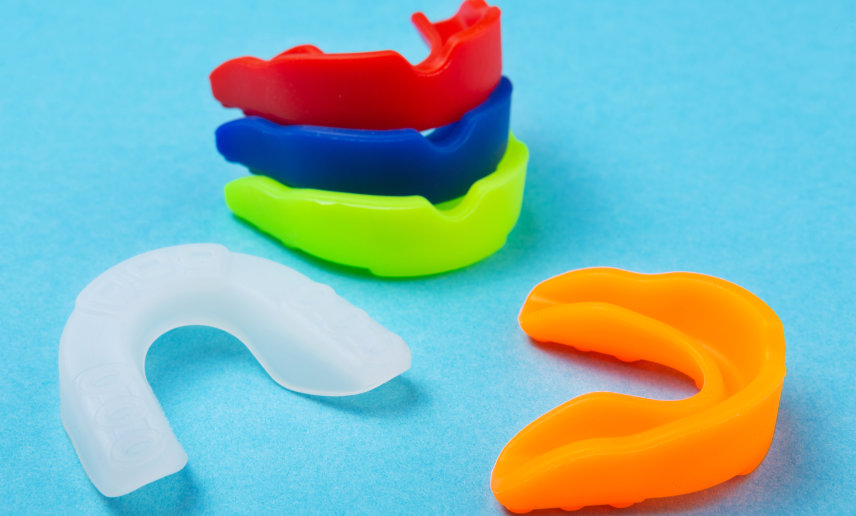
Spring sport is back, and so are the bumps, clashes, and fast-moving balls that make mouth protection essential. A well-made sports mouthguard can cushion impacts that might otherwise chip, fracture, or dislodge teeth.
Sports Mouthguards: Why They Are Essential
But what about bedtime? If you have one guard for training and matches, can you wear it overnight as well? Short answer, no. Sports mouthguards and night-time appliances are built for very different jobs.
This guide explains why sports guards are for the pitch, not the pillow; how to keep yours fresh and odour-free; when to replace it; and what to do if you have braces or Invisalign® aligners. We also share how digital scans create a snug, breathable fit that preserves speech and makes breathing easier.
Sports Guard vs Night Guard: Why They Are Not Interchangeable
A sports mouthguard is designed to absorb and spread the force of a blow during activity. It is typically thicker in the front and along the biting edges to protect against impact.
A night guard, sometimes called an occlusal splint, is made to manage clenching or grinding during sleep. It guides jaw movement, balances bite forces, and is often harder, smoother, and shaped differently to resist wear from grinding.
Sleeping in a sports guard can:
- Encourage bacterial build-up because saliva flow drops at night and the bulkier design traps plaque
- Irritate gums and cheeks if the fit is not intended for continuous wear
- Affect jaw position and breathing comfort overnight
If you wake with jaw pain, headaches, or tooth wear, speak to your dentist or Specialist Orthodontist about an assessment for a night guard designed for sleep.
When to Wear a Sports Mouthguard
Wear your guard for any sport with contact, speed, or projectiles, including rugby, hockey, football, basketball, martial arts, lacrosse, skateboarding, and mountain biking. It should go in before warm-up and stay in throughout the session. Replace it in its case between drills only if a coach specifically asks you to remove it for a water break, then rinse and reinsert.
At Northern Orthodontics, we digitally scan your teeth and fabricate custom mouthguards in-house. The precise fit helps you speak to teammates clearly and breathe more easily during intense play.
If you want to explore our custom options, learn more about our sports mouthguards on our site.
Hygiene Essentials: Keeping Your Guard Clean and Odour-Free
Daily care keeps your guard fresh and the material intact. A few simple habits go a long way:
- Rinse after use with cool water, then brush gently with a soft toothbrush and mild, non-abrasive soap
- Avoid toothpaste on the guard, as many pastes are abrasive and can roughen the surface, inviting bacteria
- Let it air-dry fully, then store it in a ventilated, rigid case away from heat and direct sunlight
- Clean the case weekly with soap and water, then dry it thoroughly
- Do not share your mouthguard; sharing transfers bacteria and changes the fit
- Bring it to dental or orthodontic check-ups for a quick inspection and professional clean if needed
- If you notice persistent odour, discolouration, rough patches, or peeling layers, it is time to replace the guard
Replacement Timetable: How Often to Get a New Mouthguard
Mouthguards do not last forever. The right interval depends on age, growth, and how often you train.
- Children and teens: Replace each sporting season or sooner if there is growth, new teeth erupt, braces are fitted or adjusted, or the guard feels loose
- Adults: Replace annually if you play regularly, or sooner with visible wear, bite-through, cracks, or odour that does not resolve after cleaning
- After orthodontic changes: Any adjustment that alters tooth position can change the fit. Plan to refit or remake the guard after significant brace changes or aligner progress
A well-fitting guard should feel snug without needing to bite to hold it in. If you have to clench to keep it seated, book a refit.
Braces, Invisalign® and Sport: How to Protect Your Smile
- Fixed braces: A brace-compatible mouthguard is essential. It is designed to accommodate brackets and wires, cushioning lips and cheeks while allowing room for ongoing tooth movement. Do not wear a standard tight guard over fixed appliances, as it can dislodge brackets
- Invisalign® and other clear aligners: Remove your aligners to play and wear a dedicated sports mouthguard. Reinstate aligners as soon as you finish, after rinsing teeth and guard. If you must keep aligners in for a very light, non-contact drill, confirm with your orthodontist first
- Growth and adjustments: Expect more frequent remakes during active orthodontic movement, especially for teens. We plan fittings around your adjustment schedule to keep protection consistent
If you are comparing brace options and play frequent sport, our team can advise on fit and protection for Metal Braces, Ceramic Braces, or Lingual Braces.
Fit Matters: Digital Scans for Comfort, Speech and Breathing
Loose or bulky boil-and-bite guards often compromise speech and make breathing through the mouth harder during sprints. Our fully digital workflow starts with a quick 3D intraoral scan, then we design and fabricate your guard in-house. The result is:
- A close, even fit that stays put without clenching
- Contoured edges that reduce rub on gums and cheeks
- Balanced thickness where you need impact protection while preserving airway space
This comfort means you are more likely to wear the guard every time you should.
Quick Game-Day Checklist
- Pack your ventilated case and a small bottle of cool water for rinsing
- Insert before warm-up, keep it in during drills and matches
- Rinse after the final whistle, clean with a soft brush and mild soap, air-dry, then case it
- Keep a backup guard if you play tournaments or back-to-back fixtures
- Book a refit if it feels loose, rubs, smells despite cleaning, or if your teeth have moved
FAQs
Can I sleep with a sports mouthguard?
No. Sports guards are for impact protection during activity, not overnight wear. For clenching or grinding, ask about a custom night guard designed for sleep
How do I keep a sports guard clean and odour-free?
Rinse straight after use, brush gently with a soft brush and mild soap, air-dry fully, and store in a ventilated case. Clean the case weekly and avoid heat. Replace if odour persists
How often should I replace my mouthguard?
Children and teens, each season or after growth or brace changes. Adults, about once a year with regular play, sooner if there is wear, cracks, or a loose fit
Can I wear a mouthguard with braces or clear aligners?
Yes, but use a brace-compatible design for fixed braces. Remove Invisalign® or other aligners to play, then wear a separate sports guard. Reinsert aligners after cleaning post-game
Summary and Next Step
A sports mouthguard is essential kit for contact and fast-moving sports, but it is not a substitute for a night guard. Keep yours clean with cool-water rinsing, gentle brushing, and thorough drying, and replace it when growth, orthodontic movement, or wear changes the fit. If you have braces or Invisalign®, choose a brace-specific design and coordinate refits with adjustments.
Ready for a snug, breathable, scan-based fit that protects without getting in the way? Contact Northern Orthodontics to book a quick digital scan and custom sports mouthguard, and play with confidence this season.