

Nov 13, 2025
What Is the Role of a Pediatric Dentist? Supportive Care for Every Child’s Smile
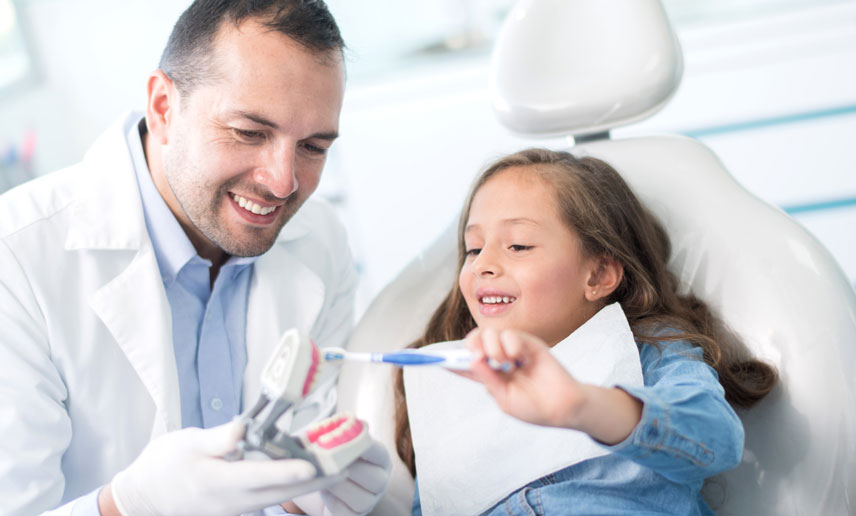
From your baby’s first tooth to your teen’s final retainer check, a pediatric dentist is your partner in building healthy habits, preventing problems, and creating positive experiences at the dentist.
At Northern Orthodontics in Ashton-Under-Lyne, our specialist-led pediatric team supports children at every stage, with gentle techniques, clear guidance, and practical solutions that fit family life.
In this guide, you will learn what pediatric dentists do, when to book visits, how we make treatment comfortable for anxious children, and how we work with orthodontists to protect developing smiles. We also answer common questions about sports mouthguards, NHS availability, and costs.
What Makes a Pediatric Dentist Different?
Pediatric dentists are trained to care for babies, children, and adolescents, including those with additional needs. After dental school, they complete further specialist training focused on child development, behaviour guidance, prevention, and minimally invasive techniques.
This extra training means we can:
- Understand how baby and adult teeth develop.
- Spot risks early, such as enamel weakness, crowding, or bite problems.
- Tailor treatments to small mouths and short attention spans.
- Use child-friendly tools and language to build confidence.
At Northern Orthodontics, pediatric care is integrated with our Specialist Orthodontist team. That means your child can receive prevention, restorative care, and early orthodontic guidance in one supportive place.
When Should Your Child First See a Pediatric Dentist?
The ideal time is by their first birthday or within six months of the first tooth appearing. Early visits help your child get used to the clinic and allow us to give timely advice on brushing, tooth-friendly snacks, and fluoride. We can also spot and address issues before they become bigger problems.
If your child is older, it is never too late to start. We will meet you where you are and build a plan that works for your family.
Prevention First, Treatment Only When Needed
Great pediatric dentistry puts prevention at the heart of every visit. Here is how we protect growing smiles:
- Fluoride therapy: a quick, safe varnish that strengthens enamel and reduces decay risk, especially helpful for children with frequent snacking or enamel weakness.
- Fissure sealants: a thin protective coating on the grooves of new molars, blocking plaque and acids from causing holes.
- Hygiene coaching: age-appropriate brushing and flossing guidance, plus practical tips for busy school days.
- Diet advice: simple swaps, such as water between meals, cheese or yoghurt after snacks, and keeping sweets to mealtimes.
When treatment is required, we use techniques designed for comfort and long-term success, from tooth-coloured fillings to pulp therapy and stainless steel crowns for more extensive decay. For anxious little ones, gentle options like inhalation sedation and The Wand computer-controlled anaesthetic help make visits calm and positive.
Actionable home tips:
- Brush twice daily with a smear of fluoride toothpaste for under 3s, a pea-sized amount from 3 to 6, and then as advised for older children.
- Use a soft, small-headed brush and angle bristles to the gumline.
- Rinse with water after snacks if you cannot brush at school.
- Keep sugary snacks and drinks to mealtimes; offer water or milk between meals.
- Book routine check-ups so small issues are caught early.
How Pediatric Dentists and Orthodontists Work Together
Pediatric dentists often provide the first assessment for crowding, crossbites, or early jaw growth patterns. If we spot concerns, we collaborate with our Specialist Orthodontist to time any intervention for the best results.
This teamwork helps guide jaw development, create space for adult teeth, and reduce the need for complex care later.
If your child needs braces or aligners in the future, our integrated approach makes the transition smooth. You can also explore options like Manchester braces when the time is right, with clear explanations of what to expect.
Sports Mouthguards: Protection for Active Kids
You asked some great questions about mouthguards. Here are clear answers to help you choose wisely and keep your child safe.
- Which type of sports mouthguard is most effective?
A custom-fitted guard made by a dental professional is the gold standard. It is digitally designed to your child's teeth, offering superior shock absorption, a secure fit, easier breathing and speaking, and better durability than boil-and-bite versions.
If your child wears braces, a custom guard can be adapted to protect both teeth and appliance. - Can I get a mouthguard on the NHS?
NHS dental services focus on clinical need. Custom sports mouthguards are usually a private service. Some schools or clubs may recommend generic guards, but for reliable protection we suggest a custom option through your dentist. - Can I sleep with a sports mouthguard?
Sports guards are designed for impact protection, not overnight wear. They are thicker and less ventilated than night guards, so they are not suitable for sleep. If your child grinds teeth at night, ask us about a specific night guard. - How much should a mouthguard cost from a dentist?
Prices vary by materials and technology. As a guide, custom sports mouthguards typically cost more than shop-bought versions, but they last longer and protect far better. We can provide a clear price during consultation and advise on growth-related refits.
If your child plays rugby, hockey, basketball, martial arts, or rides a bike or scooter regularly, a well-fitting guard is a smart investment. Learn more or enquire about fitting via our page for sports mouthguards.
Care tips for guards:
- Rinse after use, brush gently with cool water and mild soap (not hot water).
- Store in a ventilated case.
- Bring it to dental check-ups to confirm fit, especially during growth spurts or orthodontic treatment.
Support for Anxious Children
Dental anxiety is common, and it is nothing to be embarrassed about. We use kind, step-by-step communication, tell-show-do techniques, and distraction to build trust.
Inhalation sedation helps many children feel relaxed while staying awake and responsive. The Wand anaesthetic delivery system allows very gentle numbing with minimal fuss.
Our calm, multilingual team takes time to listen and to pace appointments based on your child's comfort.
When to Consider an Orthodontic Opinion
Some signs benefit from early orthodontic review:
- Crowded or overlapping front teeth.
- Crossbite or an underbite.
- Thumb or finger habits after age 4 to 5.
- Mouth breathing, snoring, or difficulty chewing certain foods.
- Early loss of baby teeth or adult teeth struggling to erupt.
We can assess whether monitoring, simple habit guidance, or early interceptive treatment is appropriate. If treatment is likely later, you can explore options such as Invisalign® and fixed appliances when your child is ready.
Your Next Step
Pediatric dentists play a long-term role in protecting children's teeth, guiding healthy habits, and coordinating care with orthodontic specialists. With prevention at the heart of what we do, most visits are simple, positive, and focused on keeping treatment minimal.
If you would like friendly, specialist advice for your child, our team at Northern Orthodontics is here to help.
Book a free virtual consultation to talk through your child's needs, explore prevention strategies, and plan the right next steps for a confident, healthy smile.